Frozen or Burst Pipe? What to Do in the First 10 Minutes (and How to Prevent It)
· By Ed Ferreira
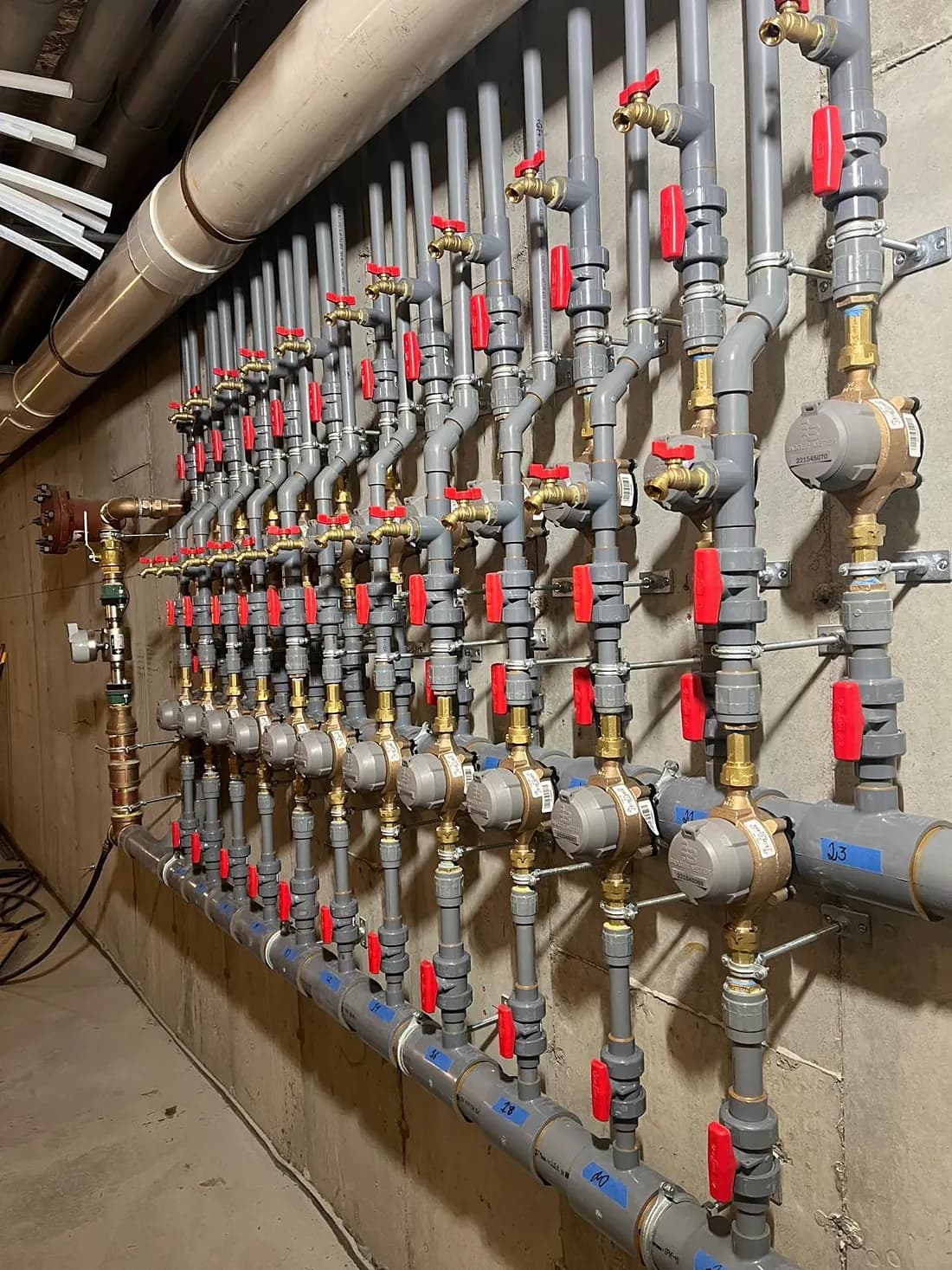
Metro Vancouver does not get many hard freezes. That is exactly why frozen pipes catch people off guard. A few nights below zero, a draft in the crawl space, and a line that has been fine for years splits open.
When that happens, speed matters more than anything. Water from a broken supply line does not stop on its own. The most important fix takes about ten seconds, as long as you already know where your shutoff valve is.
Find Your Main Shutoff Before You Need It
Do this today, not during a leak. In a detached house, the main shutoff is usually where the water line enters the building: a basement wall, the crawl space access, a utility room near the hot water tank, or the garage. Look for a lever or round wheel handle on the incoming pipe.
In a condo or strata townhouse, your unit may have its own valve behind an access panel, in a laundry closet or under the kitchen sink, while the building main sits in a mechanical room only the strata can reach. Ask your strata now where your valve is and who to call after hours.
Once you find it, test it: turn it off, open a faucet to confirm the flow stops, then turn it back on. Tag it so anyone in the house can find it.
A Pipe Just Burst: Your First 10 Minutes
Water first. Close the main shutoff right away. In a strata building, call the building emergency contact too, because a leak can travel into the unit below.
Electricity second. If water is near outlets, a power bar, a baseboard heater or the electrical panel, do not walk through standing water. If you can reach the panel from a dry spot, switch off the breakers for the wet area. If not, leave the room and wait for help.
Pressure third. Open the cold taps on the lowest floor and one upstairs to drain what is left in the lines. Then move rugs, electronics and boxes out of the way and start soaking up water with towels or a wet vac.
Evidence last. Take photos and short videos of the break, the wet floors and walls, and anything damaged before you clean up too much. Your home insurance provider will ask for them.
How to Tell if a Pipe Is Frozen (and Thaw It Safely)
The classic sign is a faucet that gives a trickle or nothing on a cold morning while other taps work fine. You may also see frost or a bulge on an exposed pipe. The ice is usually somewhere between that fixture and the point where its line passes through a cold space.
If you can see the pipe and it is not split, open the faucet it feeds so melting water has somewhere to go. Then warm the pipe gently with a hair dryer, a space heater kept well back, or towels soaked in hot water, starting near the faucet and working toward the cold spot.
Never use a propane torch or any open flame. Pipes sit next to wood framing, insulation and wiring, and a torch can start a fire inside a wall in seconds. If the ice is hidden behind drywall or a ceiling, or you see a crack, stop and get a plumber.
Where Pipes Freeze in Metro Vancouver Homes
Local homes are built for a mild, wet climate, so a lot of plumbing runs through spaces that are not fully heated. When a cold snap pushes temperatures below zero for a few days, those spots go first.
Crawl spaces top the list, especially in Richmond and Delta where many houses sit over a vented crawl space instead of a basement. Next come supply lines in exterior walls, often under a sink on an outside wall, then hose bibs, pipes in attached garages, and any spot where a vent or cable hole lets cold air in. Wind makes it worse: a small gap can blow freezing air straight across a pipe even when the room feels fine.
Your Pre-Winter Prevention Checklist
Start outside. Disconnect garden hoses, close the indoor valve that feeds each outdoor tap if you have one, and open the outdoor faucet to drain it. A hose left attached traps water in the bib.
Insulate and seal. Fit foam sleeves on exposed lines in the crawl space, garage and unheated rooms. Caulk or foam the gaps around pipe and cable penetrations, and make sure crawl space vents and hatches close properly.
When a cold snap is forecast, let a faucet on a vulnerable line drip overnight and open the cabinet doors under sinks on outside walls. If you travel in winter, keep the heat on at a moderate setting and ask someone to check the house. For long trips, shut off the main and drain the lines.
After the Repair: Drying Out and Checking for Hidden Damage
Water that soaks into drywall, subfloor, insulation or a crawl space can stay there for days and lead to mould if it is not dried properly. Run fans and a dehumidifier, keep the area warm, and pull back wet carpet if water got underneath. For anything beyond a small spill, a restoration company can measure moisture inside walls and floors.
Have the rest of the system checked too. One frozen line often means others nearby came close, and a hairline crack can leak slowly behind a wall for weeks.
When to Call a Plumber Right Away
Call if a pipe has burst, if the ice is inside a wall or ceiling, if you cannot find or close your shutoff, or if there is no water anywhere in the house. Waiting usually makes the repair bigger.
Encano Plumbing and Drain is a family-owned plumber based in Richmond, run by Ed Ferreira, serving Richmond, Vancouver, Burnaby, Surrey, Delta, New Westminster and White Rock. Call or text (604) 764-2031 any hour for a free estimate and one flat price in writing before work starts. The team speaks English, Portuguese and Spanish.
Frequently asked questions
- How do I know if my pipes are frozen?
- The most common sign of frozen pipes is a faucet that only trickles or runs dry on a cold morning while other taps still work. You might also see frost on an exposed pipe or a bulge in the line. Check the route between that faucet and any cold space, like a crawl space, garage or exterior wall.
- How do you stop a burst pipe fast?
- Close your main water shutoff immediately. Turn off the breakers for any wet area if you can reach the panel from a dry spot, then open the lowest cold taps in the house to drain the remaining water. Move valuables away, soak up what you can, and take photos for insurance before calling a plumber.
- Will frozen pipes thaw on their own?
- They often do once temperatures rise, but waiting is risky. Ice expands and can crack the pipe, and the leak only shows up when the ice melts and water flows again. It is safer to open the affected faucet and warm the pipe gently, or bring in a plumber when the ice is hidden behind a wall.
- Should I let my faucets drip to prevent frozen pipes?
- Yes, during a real cold snap it helps. A slow drip keeps water moving and relieves pressure if ice starts to form. Focus on taps fed by lines on exterior walls or above a crawl space, and open the cabinet doors under those sinks so warm room air reaches the pipes overnight.
- Can I use a torch or heat gun to thaw a frozen pipe?
- No. An open flame or high heat can ignite framing, insulation or wiring next to the pipe, and uneven heating can crack it. Use a hair dryer, a space heater kept at a safe distance, or towels soaked in hot water, and always open the faucet first so melting water can escape.
- How do I prevent frozen pipes when I go away in winter?
- Keep the heat on at a moderate setting rather than off, and ask someone to check the house during a cold snap. Insulate exposed pipes and disconnect outdoor hoses before you leave. For a longer trip, the safest option is to close the main water shutoff and drain the lines by opening the lowest taps.
Related services
Found this helpful? Make us a preferred source on Google.
Ready for an exact price?
Get a free, no-pressure in-home estimate. Real numbers for your home, not a phone guess.