Furnace Repair or Replacement? How Long a Furnace Lasts and How to Decide
· By Ed Ferreira
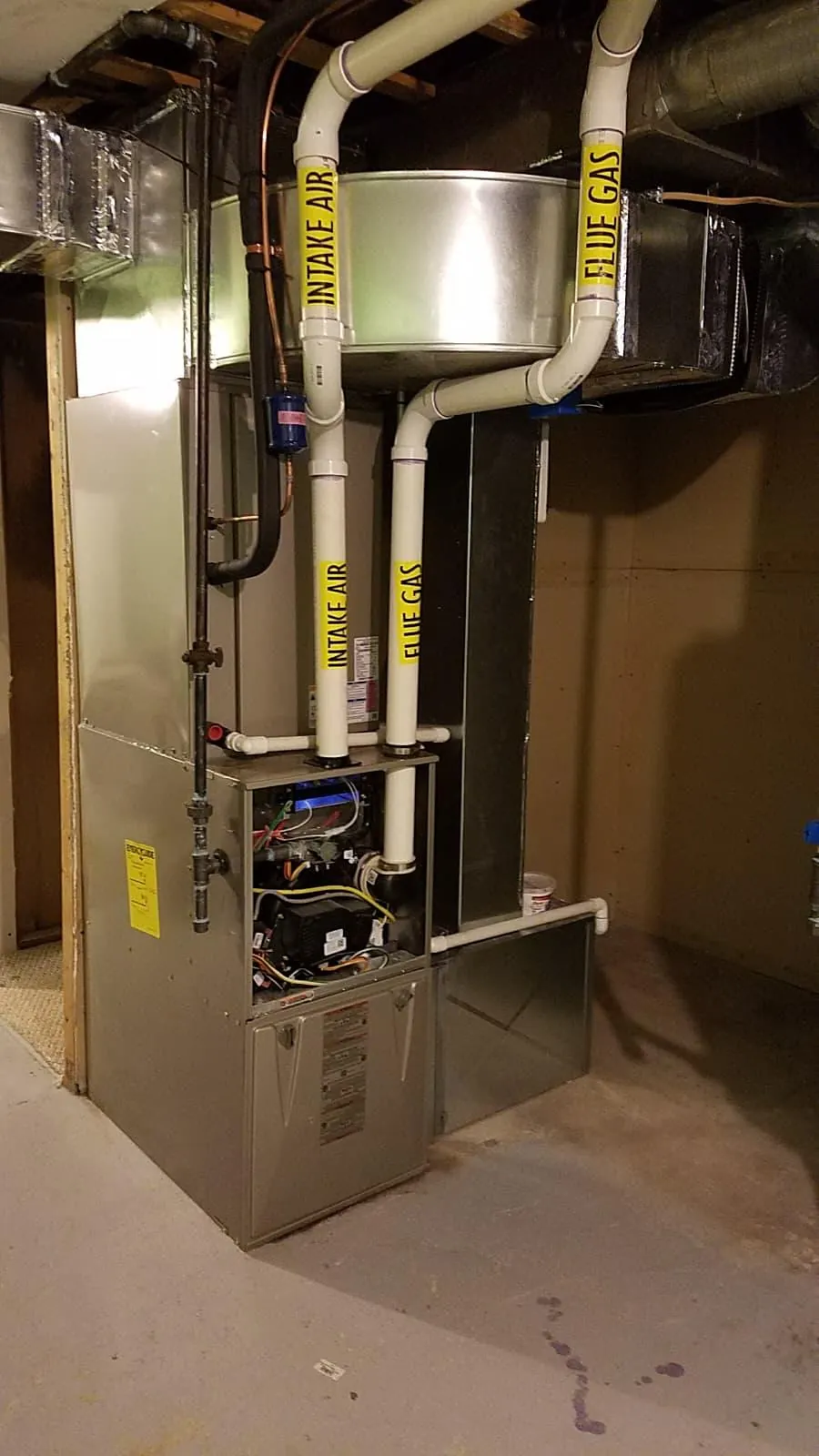
Your furnace quit, or it runs but the house never feels warm. The first question most people ask is whether the thing is worth fixing at all. The answer depends on its age, what broke, and how it has behaved recently.
This guide covers furnace lifespan, safe checks to try first, and the signs that point toward repair or replacement, with Metro Vancouver homes in mind: long, damp winters where a gas furnace in a detached house runs for months.
How Long Does a Furnace Last?
As a rough guide, a gas furnace that was sized and installed properly and serviced now and then will typically last somewhere around 15 to 20 years. Poor installation, wrong sizing or neglected filters can cut that short.
Age alone does not decide anything. A 17-year-old furnace that starts every time and heats evenly can keep going. A 9-year-old unit that has needed three service calls in two winters is telling you something different. Treat the age as context, then look at the history and the kind of failure.
Safe Checks to Try Before You Call
Plenty of no-heat problems have a simple cause. These checks are safe and quick. Do not open the burner area or touch the gas line.
Start at the thermostat. Make sure it is set to heat, the set point is above room temperature, and the batteries are fresh if it uses them. Next, check the electrical panel for a tripped breaker labeled furnace, and check the service switch on or near the unit, which resembles an ordinary wall switch and is easy to bump off.
Then pull the filter. A clogged filter starves the furnace of air, and many units will shut down on a safety limit when they overheat. Replace it if it is grey and packed. Make sure the front panel is seated firmly, since most furnaces will not run with the door switch open, and confirm vents and return grilles are not blocked.
If the furnace still will not run, or starts and shuts off repeatedly, it needs a proper diagnosis.
When the Problem Is a Safety Issue
Some symptoms skip the repair or replace debate entirely. If you smell gas, leave the house right away, do not flip switches, and call the FortisBC 24-hour emergency line at 1-800-663-9911 from outside. If a carbon monoxide alarm goes off, or people in the home feel headachy, dizzy or nauseous when the heat is on, get everyone out and call for help.
Soot, scorch marks or a lazy yellow flame are reasons to turn the heat off at the thermostat and have it inspected. In British Columbia, gas work is regulated by Technical Safety BC and has to be done by a licensed gas fitter. That is not a DIY job, even for handy homeowners.
A cracked heat exchanger is the finding that most often ends the conversation. The heat exchanger keeps combustion gases separate from the air you breathe, so a crack is a carbon monoxide risk. On an older furnace, replacing that part rarely makes sense, and replacing the whole unit is usually the safer, more sensible choice.
Signs a Repair Makes Sense
Many common failures involve small parts that wear out on a healthy furnace. An igniter, a dirty flame sensor, a capacitor, a pressure switch, a clogged condensate line or a blower motor issue can all cause no heat or short cycling, and none of them mean the furnace is finished.
Repair usually wins when the furnace is under roughly 10 to 12 years old, has a clean service record, and the problem is a single identifiable part.
Signs It Is Time to Replace
Replacement starts to make more sense when several of these line up: the furnace is near or past the 15-year mark, it has needed repeated repairs, the latest repair involves a major component like the heat exchanger or the main control board on an old unit, or parts for that model are getting hard to find.
Uneven rooms, nonstop running on cold nights and new banging or squealing also point to an aging system. A common rule of thumb is that if a repair costs a large share of what a new furnace would, and the unit is already old, putting that money toward replacement is often the better use of it.
Efficiency, Comfort and Planning Ahead
Newer high-efficiency furnaces generally turn more of the gas they burn into heat than older standard models, and many have variable-speed blowers that run quieter and more evenly. How much that changes your bills depends on the old unit, your house, your ductwork and how you use the heat, so be wary of anyone promising an exact saving.
The bigger advantage is timing. Replacing a furnace in October on your own schedule is a very different experience from losing heat during a January cold snap, when temperatures across Richmond and the rest of Metro Vancouver can dip below freezing and every heating company is busy.
What to Ask For in a Written Quote
Whether you repair or replace, get the price in writing before work starts. For a repair, the quote should name the failed part, the cause, and the total cost including labour. For a replacement, it should list the furnace size and efficiency, what happens with venting and ductwork connections, whether a new thermostat is included, removal of the old unit, and who handles any required gas permit.
Ask how the new furnace was sized for your home rather than simply matched to the old one. An oversized furnace short cycles and wears out early.
Encano Plumbing and Drain is a family-owned company in Richmond run by Ed Ferreira, and the team gives one flat price in writing before any work begins. If you are weighing repair against replacement anywhere from Vancouver and Burnaby to Surrey, Delta, New Westminster or White Rock, call or text (604) 764-2031 any hour for a free estimate. The team speaks English, Portuguese and Spanish.
Frequently asked questions
- How long does a furnace last on average?
- A gas furnace typically lasts somewhere around 15 to 20 years when it is sized correctly, installed well and serviced periodically. Dirty filters, oversizing and skipped maintenance shorten that. A furnace with a clean repair history can keep going past that range.
- Is it worth repairing a 15-year-old furnace?
- It can be, if the repair is a small part like an igniter or flame sensor and the furnace has otherwise been reliable. If the repair is major, such as a cracked heat exchanger, or the unit has needed several service calls recently, replacement is usually the better value. A technician can price both options so you can compare them.
- Why is my furnace not working even though the thermostat is on?
- Common causes are a tripped breaker, a service switch turned off near the unit, a clogged filter that triggered a safety shutdown, or a front panel that is not fully closed. Check those first. If the furnace still will not start, or starts and stops repeatedly, the cause is likely an internal part and it needs a professional diagnosis.
- What are the signs a furnace needs to be replaced?
- Look for a combination of age near or past 15 years, frequent repairs, uneven heating, constant running on cold days, new loud noises, and a major component failure. A cracked heat exchanger is a safety issue and usually means replacement. One sign alone rarely decides it, but several together usually point toward a new furnace.
- Is a cracked heat exchanger dangerous?
- Yes. The heat exchanger keeps combustion gases, including carbon monoxide, out of the air that circulates through your home. A crack can let those gases escape. If a technician finds one, the furnace should be shut off until it is dealt with. Keep working carbon monoxide alarms near sleeping areas regardless of your furnace age.
- Should I replace my furnace before winter?
- If the furnace is old and has started giving trouble, fall is the best time to replace it. You can compare quotes without the pressure of a cold house, and installers are easier to book than during a midwinter cold snap. Waiting until it fails completely usually means less choice and more disruption.
Related services
Found this helpful? Make us a preferred source on Google.
Ready for an exact price?
Get a free, no-pressure in-home estimate. Real numbers for your home, not a phone guess.